Practical Manual · In South Africa

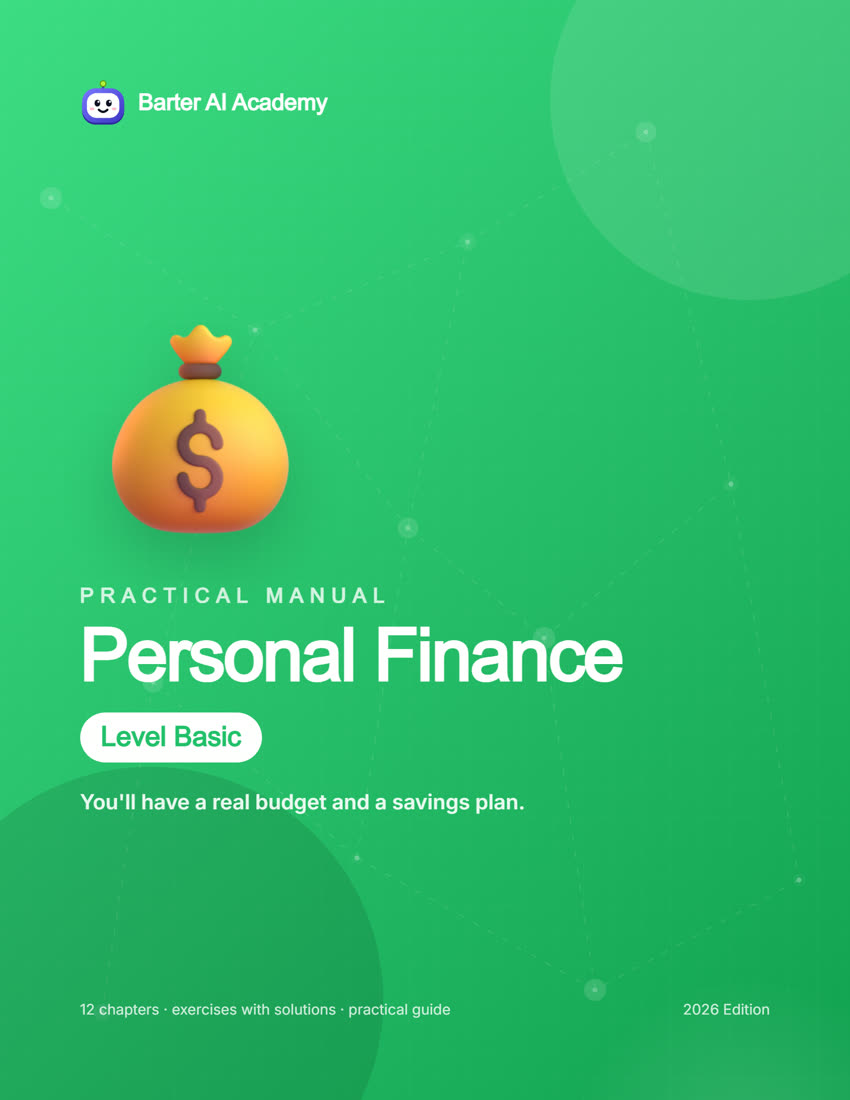
Personal Finance Manual in PDF (Basic Level) to Study from South Africa

This Personal Finance manual (Basic Level) brings together 12 chapters with examples, exercises and tasks so you can apply what you learn in South Africa from day one.

Buy the manual · 7.99 USD

Personal Finance Manual · Basic Level (PDF)

Everything is online: download it in seconds from South Africa and pay in US dollars with PayPal or card.

Free sample

Chapter 12: Automatic Savings

🎯 Design an automatic savings system that moves money to your goals and your emergency fund without relying on willpower, and calculate how much to save and how long it will take to reach your fund.

If saving depends on remembering, sooner or later you forget. If it depends on a system, it happens on its own.

Key ideas

  • When you schedule the transfer once, saving happens without relying on how motivated you feel at the moment.
  • If the money moves at the start, it has no time to get spent. Waiting until the end usually leaves little or nothing, and goes against paying yourself first.
  • Separate accounts reduce the temptation to spend money you've set aside.
  • The system should adapt to how you actually get paid and to your goals.
What's inside

Part 1 · Diagnosis

  1. 01Your Relationship with MoneyIdentify your beliefs and habits about money, recognize your main pattern, and define a first concrete step to start getting your finances in order.
  2. 02Real Income and ExpensesCalculate your net income and your actual spending for last month, sort your expenses into fixed, variable, and occasional, and find out whether you have money left over or are short.
  3. 03Ant ExpensesIdentify your ant expenses, calculate how much they add up to per year, and decide which ones to cut without feeling like you're giving up everything.
  4. 04Net worthCalculate your net worth (assets minus liabilities), interpret it, and use it as a starting point for your budget.

Part 2 · Budget

  1. 05Budgeting MethodsChoose a budgeting method that fits your personality and set up a first draft using your real income and expenses.
  2. 06The 50/30/20 Rule and AlternativesApply the 50/30/20 rule to a real income, adapt it when it doesn't fit, and choose an alternative that suits your situation.
  3. 07Budgeting with Variable IncomeBuild a workable budget when your income changes every month, using a base salary, a buffer, and priorities by tiers.
  4. 08Review and Adjust Every MonthDo a monthly budget review in 20 minutes, adjust your categories based on what actually happened, and make concrete decisions without guilt.

Part 3 · Savings

  1. 09Pay Yourself FirstApply the «pay yourself first» rule to set aside your savings as soon as you receive income, by defining a realistic amount and a separate place to keep it.
  2. 10Emergency FundCalculate how much your emergency fund needs to be, decide where to keep it, and build a step-by-step plan to fill it.
  3. 11Savings GoalsTurn a vague wish into a concrete savings goal, with an amount, a deadline, and a monthly contribution, and prioritize it alongside your emergency fund.
  4. 12Automatic SavingsDesign an automatic savings system that moves money to your goals and your emergency fund without relying on willpower, and calculate how much to save and how long it will take to reach your fund.

Buy the manual · 7.99 USD

Practice it for free in the app

This manual has an interactive version in Barter AI Academy: lessons with challenges, an AI tutor that answers you 24/7, and a certificate. The first 5 Personal Finance lessons are free.

Start for free →

Other cities in South Africa

Other levels in your country

See all manuals →